Fungal skin infection is a skin infection caused by fungus. Excessive growth of harmless fungus and other types of fungus causes fungal skin infections.
Fungus in skin affects your skin because it lives in the keratin, a protein that composes your hair, skin and nails .The name of the infection is derived in the body part where it confides.
Fungus is generally present and lives on all of us. Fungus is harmless most of time,but sometimes fungus cause a problem called a fungal infection.Fungus rarely spreads below the skin in normal healthy indivisual
Symptoms vary depending on body location, but include the following:
Ringworm
Ringworms forms a red, elevated ,rapidly growing, ring like sore on the skin.
The centre of the skin may be clear.
The scar itself contain scales, crust or fluid filled areas. The sore may have itching or pain.
Lesions commonly are found on the trunk, legs, arms, neck and face.
Athlete’s foot-
Itching, stinging and burning between the toes and on the soles of the feet.
Itchy blisters
Excessive dryness of the skin on the bottoms or sides of the feet.
Cracking and peeling skin, especially between the toes and on the soles of the feet
Excessive dryness of the skin on the bottoms or sides of the feet
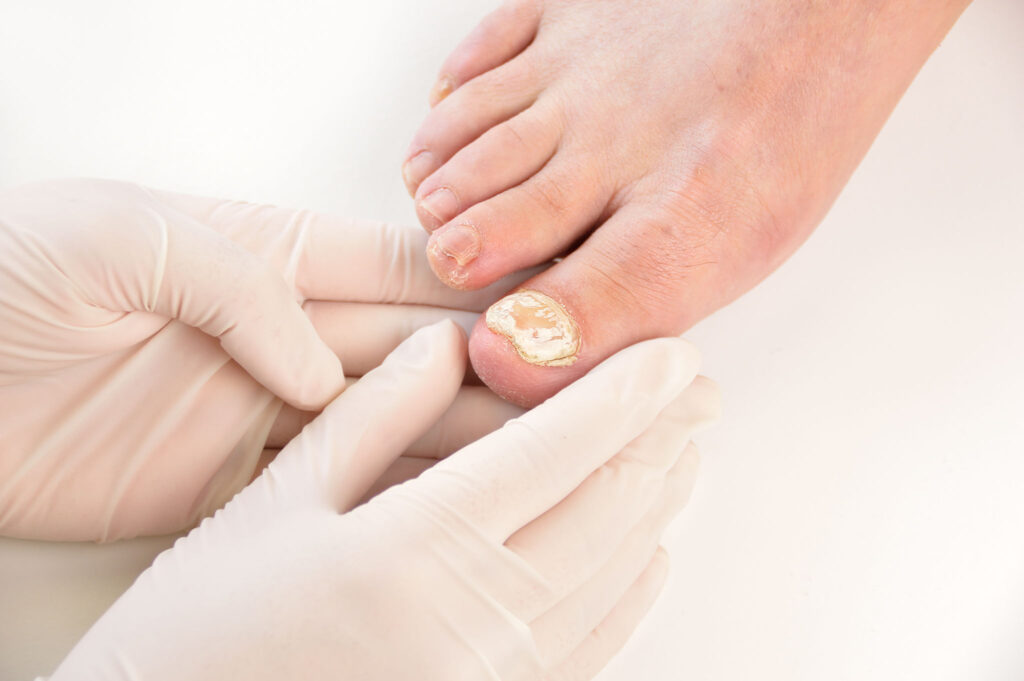
Toenails that are thick, crumbly, ragged, discolored or pulling away from the nail bed.
Jock itch
Itching and redness in the genitals, inner thighs and buttocks.
Possible itching in anal area
Burning sensation in affected area
Treatment & Prevention
General Measures
Correct predisposing factors where possible.
Keep the affected skin clean and dry. Wash daily. Take care to dry between the toes and in the skin folds; use a hair dryer if necessary. Use your own towel.
Carefully clean the shower or bath using bleach.
Hot wash socks, towels, bathmats at a temperature of at least 60C.
Regularly wash floors where you walk bare foot.
Antiseptics application.
To reduce reinfection
Fungal spores can survive long periods. To reduce the chance of reinfection:
Do not share towels, sheets or personal clothing.
Avoid walking bare foot where others may tread – wear jandals, sandals or aquasocks at the public pools and sports changing rooms.
Avoid long periods wearing the same clothing, or wearing occlusive clothing such as wet weather gear and nylon pantyhose.
Wear open-toed sandals when possible. Avoid long periods in occlusive footwear such as gum boots or tramping boots.
Use antifungal powder
In the case of zoophilic fungal infections, infected animals should be identified and treated.
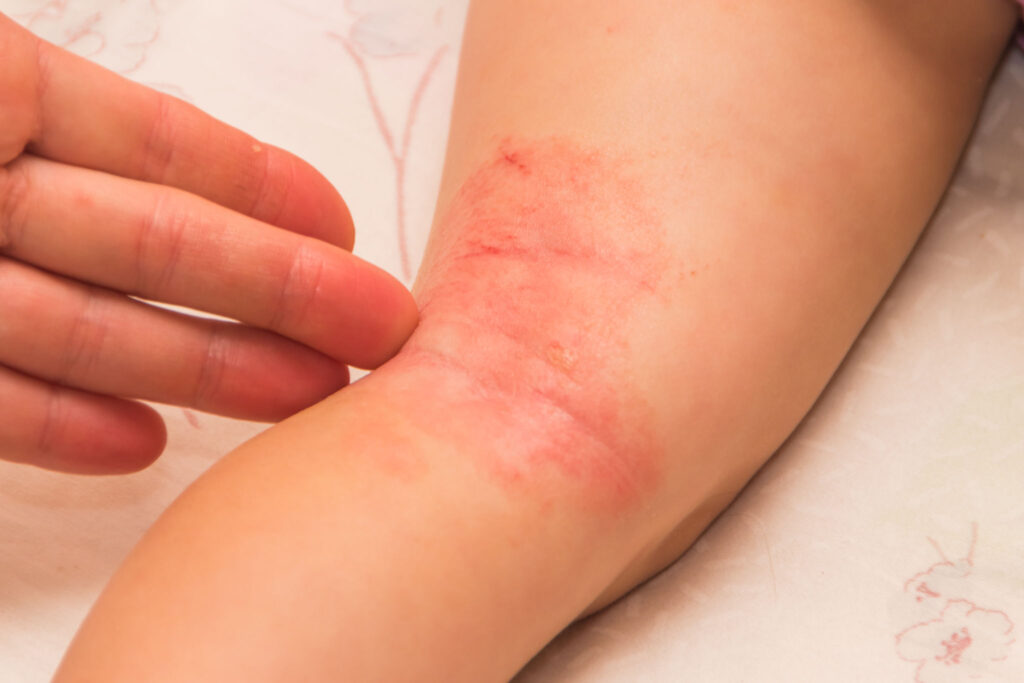
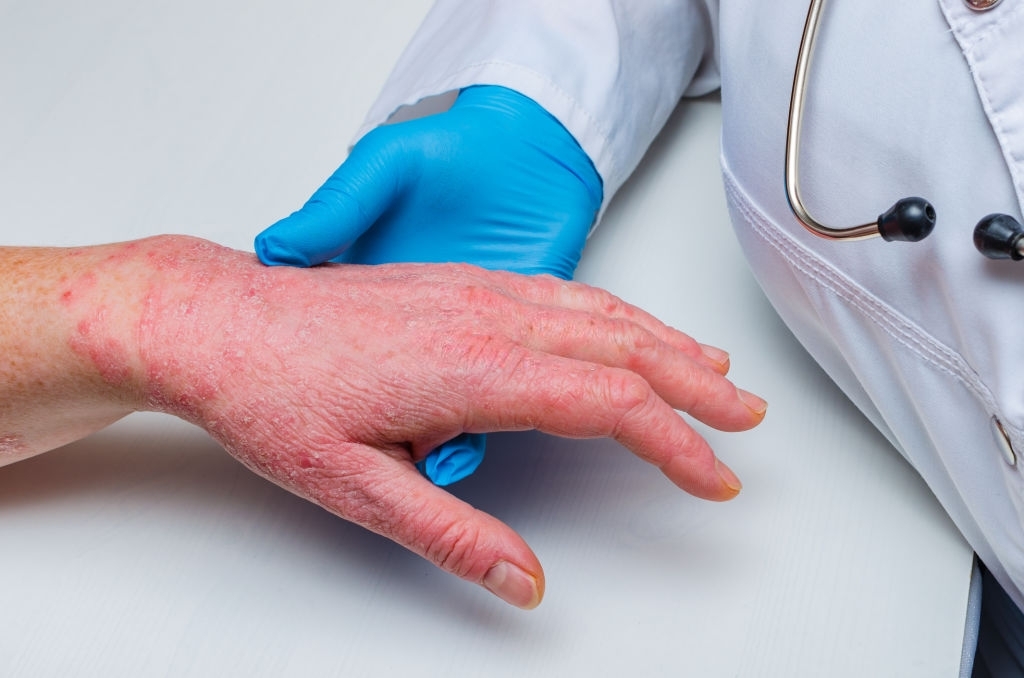
Inflammatory reaction of the skin in which there is erythema (reddening), edema (swelling), papules (bumps), and crusting of the skin followed, finally, by lichenification (thickening) and scaling of the skin. Eczema causes itching and burning of the skin.
Atopic eczema, which is also called atopic dermatitis, is a very common skin problem. It may start in infancy, later in childhood, or in adulthood. Once it gets underway, it tends not to go quickly away.